
By Rogério Sáber
I found myself by the mossy window and I could saw a cow outside. She ruminated time and time again—and there was nothing weird with such an almost-paralyzed movement.
Rumination did she—and all the world was simply comprised within that routinely chomp-chomp attempt.
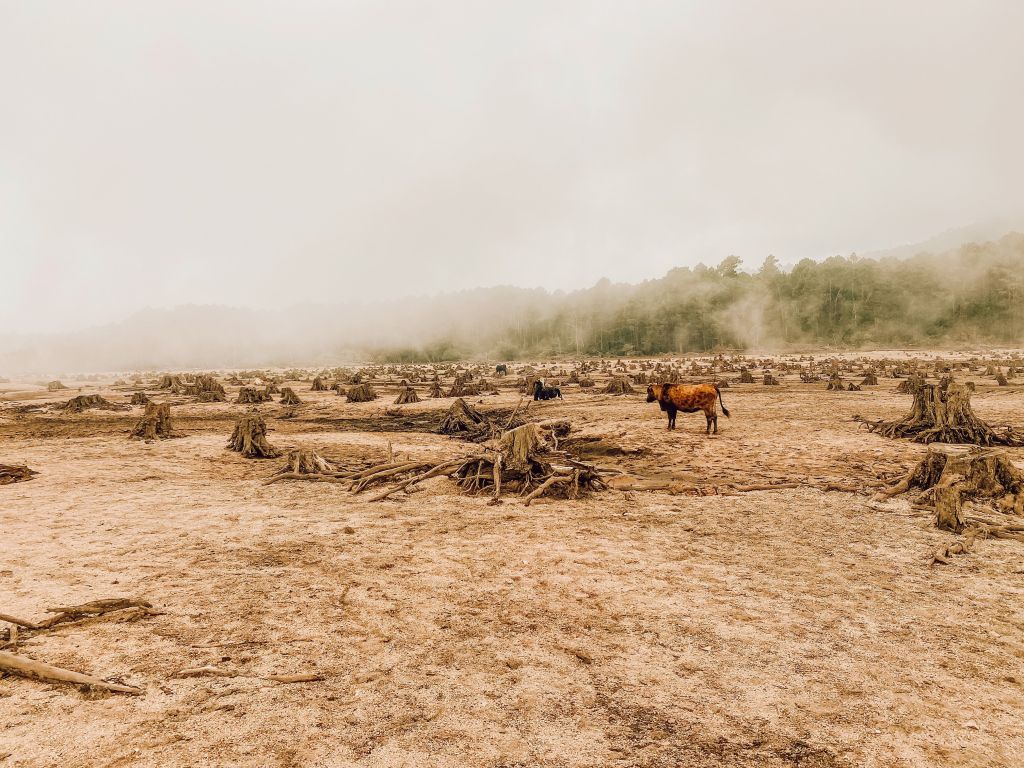
The cow ruminated organic stuff as I grappled with my inner rumination: anger became a sort of a devilish fever—but it also was ruminative, a force of nature, deformed by human being, an intrusive and gluing alter ego.
Firstly, cow caught some grass and converted it into slimy green—but her calf did not see his mother. For my part, I grasped some random events and transmuted them into slimy blood—the kind of fluid that could not circulate in any kind of capillaries. Slander in black and red maintained its ruminative task—and, although I wished my vocal cords to fade and to reach their lowest potency ever, anger made them stronger and even more harmful.
The cow calmly follows its own pace.
Then the cow fell into the well—and cow’s moo became eerie: one could have heard it if one wanted to follow the clues and to unveil such a noisy mystery.
But cow’s sound grew increasingly dim: one would not be able to listen to it, for it just resembled a long-ago song—a chant that no child or grown-up person has ever heard. Then anger was remodeled and became diffuse and pervasive—just as flowers spread their pollen in spring and just as mist spreads its claws on us in winter—
Then the cow fell into the well—and cow’s moo became eerie: one could have heard it if one wanted to follow the clues and to unveil such a noisy mystery. But cow’s sound grew increasingly dim: one would not be able to listen to it, for it just resembled a long-ago song—a chant that no child or grown-up person has ever heard. Then anger was remodeled and became diffuse and pervasive—just as flowers spread their pollen in spring and just as mist spreads its claws on us in winter—
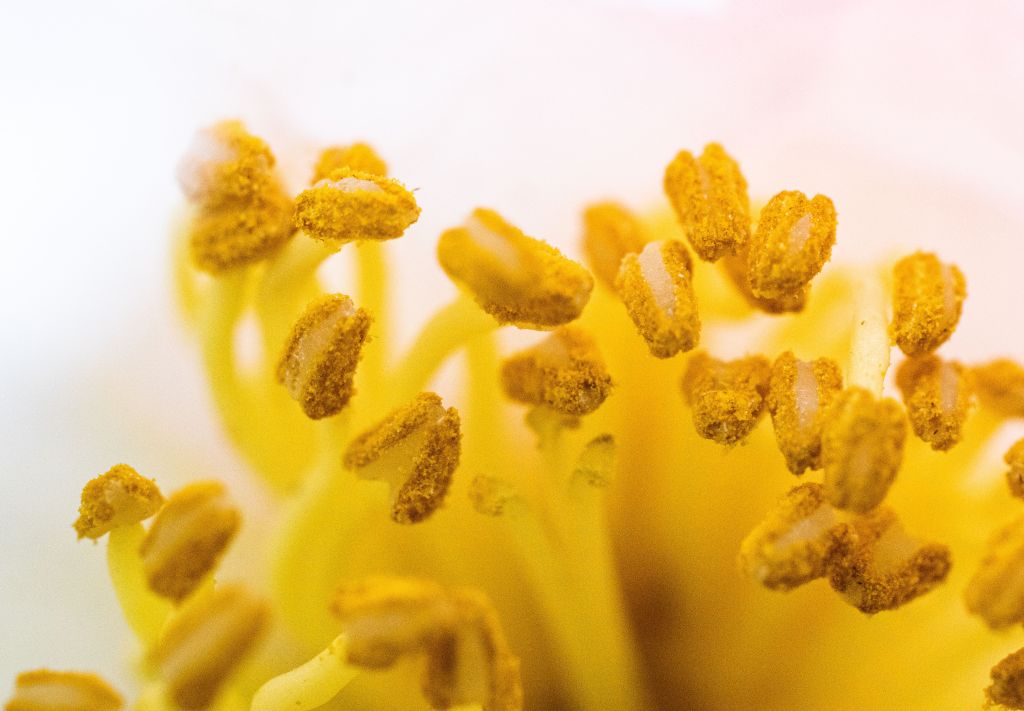
all my inner gunpowder was supposed to be detonated just with a flick of an existential and lurky trigger. All efforts seemed to be useless for the slimy creature within was momentarily at bay—
But actually it was lying in wait—triggers would be necessary, more gunpowder would be required, more destruction should accomplish its own design.
—The cow got tired of standing still and made a movement, just like Death performs Its movement when playing malign chess with all of us.
—The cow moved with a moving calm. She was still ruminating, but she decided somehow to walk away, to withdraw from the previous landscape. Something else was to be found. That was when I also came to terms with my anger—temporarily, I should admit. I tried to walk away and to get rid of the vertiginous web of gunpowder, destruction, uneasiness.
Ghosts got silenced for a while.
The cow found another grassy landscape and restart her rumination task.
Once again, nothing did she but to stand still and wait for a whole process to reach its end.
Nothing did she.
—Once again, I made my choice and judgment: to stand still and time shall pass; to stand still and the fever would become green, yellow, orange, red—then green again, purple, blue, gray, white.
I made my choice and nothing did I.
I think I shall be safe and sound for a while.
—But rumination is beneath in its depressive and unremitting work.
Rogério Sáber is a Brazilian professor of English-language literature at the State University of Paraná (Unespar) – Apucarana Campus. He holds a Ph.D. in Literature – Literary Studies from the Federal University of Minas Gerais (UFMG). Master’s degree in Literary Theory and History from the State University of Campinas (Unicamp). Bachelor’s degree in Language and Literature—Portuguese/English and Literature, Bachelor’s degree in Education, and Bachelor’s degree in International Relations. Areas of interest: English-Language Literature, Gothic Literature, Comparative Literature, Literary Theory, Children’s and Young Adult Literature, Interdisciplinary Studies (Culture, Art, Film, Music, Theater, Biography, Autobiography, Education, Higher Education), International Relations.