
The National Common Curriculum Guideline in Brazil, also known as BNCC (2017), addresses multilingualism through the teaching of additional languages. It focuses on English as a compulsory language from the 6th grade onwards. The BNCC recognizes multilingualism as a communication tool that enhances participation in a globalized and plural world. The document emphasizes the importance of interdisciplinary work involving language. It connects with other areas of knowledge. It also relates to the students’ reality.
Food for thought: Brazil is a multilingual country. It has a great diversity of spoken languages, including Portuguese. There are also indigenous languages and immigrant languages. Multilingualism in Brazil is a complex phenomenon with social, cultural, and educational implications.
Portuguese is the official language in the country, but with regional variations and dialects. Indigenous Languages consist of various language families represented by around 170 languages spoken by indigenous populations. Languages from other parts of the world are still spoken in their countries of origin. This is especially true for those spoken by immigrant communities. These include Italian, German, and Japanese. Brazilian Sign Language (Libras) is considered a lawful method of conveying messages and articulating thoughts. Languages offered in additional varieties are spoken in some cities and border regions that use languages from neighboring countries.
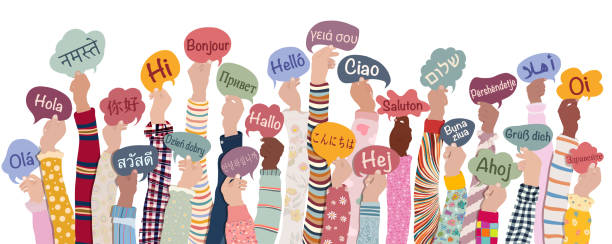
A 2025 study by Emanuele Krewer and Eliana Rosa Sturza examines Brazil’s multilingual reality. This reality stands in contrast to the prevalent monolingualism in language policies. The study seeks to illustrate the diversity of languages that circulate — and persist — in the country.
According to their research, today, Brazil is home to more than 250 different languages. This number is considered low. We must take into account the large number of indigenous, African, and immigrant languages. These languages have been decimated since the arrival of the Portuguese and successive political and linguistic interventions. Nonetheless, this estimate can be viewed as optimistic when considering the aggressive policies of imposing Portuguese as the sole language. This indicator shows that Brazil is not a monolingual country. Many languages have maintained their presence due to the linguistic resilience of their speakers.

Today, the “Stay Spanish Movement” or “Movimento Fica Espanhol” is an initiative. It aims to guarantee the continued instruction of Spanish in Brazilian schools. This is particularly important due to the recent reform to the secondary education system. The reform eliminated its compulsory status. The movement is active at a national level. It raises awareness of the importance of learning Spanish. It also advocates investment in the development of Spanish teachers.
ABRALIN (Associação Brasileira de Linguística) or The Brazilian Linguistics Association (2024) emphasizes Brazil’s pivotal role in Latin America. This is especially important when considering its geopolitical standing on the continent. The nation’s leadership in the economy is a key factor, as shown by its dynamic trade relations. These relations contribute to the growth of various sectors, including industry, commerce, tourism, and services. The region is significantly strengthened through international relations. Cooperation agreements with Latin American countries further enhance this strength. These agreements extend both within and beyond the Mercosur sphere. In this context, the Spanish language plays a central role.

Lastly, national educational guidelines should acknowledge the widespread multilingualism existing in Brazil. Curricula at the regional level in Brazil must include diverse linguistic proposals. The country is large and varied. These proposals should consider the linguistic realities of the country. They must preserve the linguistic and cultural identities of their diverse regions.
References:
ABRALIN. Associação Brasileira de Linguística. Nota pública. 2024. It is available at: https://abralin.org/nota-publica-sobre-a-retirada-do-espanhol-do-curriculo-do-ensino-medio/ Accessed on: 28 July 2025.
BRASIL. Base Nacional Comum Curricular. Ministério da Educação. 2017. It is available at: https://basenacionalcomum.mec.gov.br/ Accessed on: 28 July 2025.
KREWER, E.; STURZA, E. R. O Brasil é multilíngue e nóspodemosprovar: cenas linguísticas na fronteira. Revista (Con)Textos Linguísticos, Vitória, v. 19, n. 42, 2025| e-ISSN 1982-291X Periódico do Programa de Pós-Graduação em Linguística da Ufes. It is avaliable at: https://periodicos.ufes.br/contextoslinguisticos/article/view/47825. Accessed on: 28 July 2025.
 Revista Contemporartes